Refusing a Roadside Breathalyzer Test
About Roadside Breathalyzer Tests
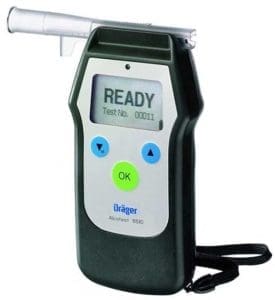 In Canada under the Criminal Code of Canada a driver cannot refuse a roadside breathalzer test upon the demand of a police officer. The police have the authority to demand a roadside breath sample when:
- the driver has care or control of the motor vehicle
- officer smells alcohol on the driver’s breath, or
- the driver admits that they have consumed alcohol
Where the driver refuses to provide a breath sample, the officer may arrest the driver for the criminal offence of “Refuse Roadside Breathalyzer Test“.
Roadside Breathalyzer Testing
Once a police officer has reasonable grounds to demand a breathalyzer test, the officer will ask the driver to provide a sample of their breath into an Approved Roadside Screening Device.
The Roadside Screening Device is a portable breathalyzer instrument that gives the officer one of three (3) readings when the driver blows into it:
- zero to .50ml of blood gives gives the actual blood alcohol reading
- .50mgs to 100mgs records a warn reading on the breathalyzer
- over 100 mgs the breathalyzer gives a reading of fail
It is the officer’s legal responsibility to explain to the driver how to properly do the test and the obligations placed upon them by Canadian law.
Refuse Breathalyzer Test Penalty
The penalties for refusing to take a breathalyzer test are the same penalty as if you took the test and failed or were convicted of impaired driving, which are:
- criminal record for life
- suspension of the drivers licence
- fines between $1,000 and $2,000
- periods of probation with conditions.
- jail sentences for serious offences.
Convicted drivers cannot drive or operate a motor vehicle anywhere in Canada during the licence prohibition.
Licence prohibitions includes farm equipment, construction equipment and all motor vehicles. A motor vehicle is defined as anything that is pushed, pulled or driven by an engine, including boats and machinery during this period.
Mandatory penalties where the judge has no control over are:
- criminal record for life
- mandatory licence suspension
- mandatory “Back on Track Program” to reinstate the drivers licence after 1 year
- insurance will go into high risk insurance rates of over $10,000/year for 5 years
Refusing Roadside Test Defence
When the police demand a roadside breathalyzer test, it is the officer’s responsibility to explain to the driver the obligations placed upon them by Canadian law. 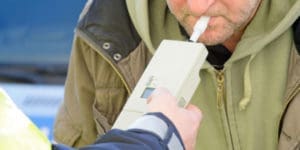
The police officer being the “person in control” has the responsibility to:
- ensure that the breathalyzer was working properly
- that the driver understands what they are required to do
- tell the driver that they must provide a sample of their breath, and the ramifications if they do not provide the test
- that the driver is able to provide the test
Many times police officers fail to properly explain what is required of drivers and how to properly do the test. Where this has happened, cases have been dismissed.
As well as issues regarding the actual testing procedure, there are issues such as time delay arguments, rights to counsel and legal issues that may arise at trial.
Definition of Refusing a Breath Test
Where a police officer on reasonable grounds makes a demand for a roadside breathalyzer test, the driver is considered to have refused a breathalyzer when:
- police officer makes a demand for the breath test
- driver without lawful authority fails to provide a test, or
- driver either outright refuses to take the test, or does not provide a suitable sample of breath
In determining whether or not the driver provides a suitable sample of breath the police officer makes that determination.
The officer is required to present the evidence to the court, for example:
- the breathalyzer machine makes a continuous buzzing sound while breath goes in
- the accused appeared to blow into the instrument, but no air was being inputted
The officer would have to give evidence that the accused put the device up to their lips, but they did not actually blow into the breathalyzer.
★★★★★ Nicholas examined my case by taking over an hour talking to me to find out all the facts. After looking at the disclosure he was able to find problems with the police investigation. Nicholas suggested that we take an approach similar to a previous case that he had worked on and won. He showed a decision of that was similar to mine that he had won. We finally got to trial and my case was dismissed. Nicholas knows his stuff inside and out. NameWithheld LawyerRatingZ.com
Registering Fail on a Breathalyzer
When the police officer obtains a reading of “fail” on the roadside breathalyzer test, the police officer can arrest the driver for Driving Over 80mgs.
Many times drivers are placed in the stressful situation of being forced to provide a sample of their breath and incriminating themselves, even though they may have been under the blood/alcohol limit.
As defence lawyers, cases have been dropped where evidence found:
- the officer did not properly explain the obligations on the driver, or
- the officer did not give the driver ample opportunity to provide a sample
Many times drivers who physically unable to do the test or provide a proper sample are charged with refusing to provide a sample of their breath, when they would not have been over the limit.
Our criminal defence lawyers have years of experience with drinking and driving laws including refusing a roadside breath test. We have helped thousands of drivers avoid criminal records and licence suspensions and we can help you.
Where you want to fight – Call us today at 416-731-7113.
Retaining Charitsis Law to Defend You
 Want legal advice or like to speak to a lawyer? The first step is to give us a call at 647-930-0200.
There is no fee or obligation to call and speak to us. The discussion is held with complete privacy and confidence with the lawyer.
During that phone call the lawyer will:
- listen to your case
- answer any questions you have
- review the documents the police gave you. Please send any documents for review using the form at side of page.
The lawyer will be able to give you an opinion about your case, and tell you:
- possible defences to the charge
- legal arguments in your case
- what you can do to help your case
- what the cost to defend the accusation would be
Where you decide to retain our services we will invite you to meet in our Toronto office or have a face to face Zoom online meeting.
In that meeting we’ll discuss the case in detail, plan your defence and arrange for the first court date.
We ask for a reasonable deposit upon retaining our services of 10 to 25 percent.
Refuse Roadside Breaths FAQ
Q. What does it mean to refuse a roadside breath test in Ontario?
A. Refusing a roadside breath test in Ontario means failing or declining to provide a breath sample when a police officer makes a lawful demand using an approved roadside screening device. This can include directly saying no, delaying without a valid reason, or not providing an adequate sample.
A refusal can result in immediate roadside penalties and may lead to a criminal charge.
Q. Is refusing a roadside breath test a criminal offence?
A. Yes. If the police have lawful grounds to demand a roadside breath sample, refusing to comply can result in a charge under the Criminal Code of Canada for failing or refusing to comply with a demand.
The refusal itself becomes the offence, even if no breath reading is taken.
Q. What immediate penalties can occur after refusing a roadside test?
A. A roadside refusal can trigger immediate consequences such as an automatic licence suspension, vehicle impoundment, and removal from the roadway. These administrative penalties often take effect before any court appearance and can cause significant disruption to a driver’s daily life.
Q. Can I refuse a roadside breath test and request a lawyer instead?
A. While drivers have the right to speak to a lawyer, that right does not delay or override a lawful roadside breath demand. Police are permitted to require a breath sample immediately, and refusing while waiting to speak to a lawyer can still result in a refusal charge.
Q. Can refusing a roadside breath test hurt my case?
A. In most situations, yes. Many drivers believe refusing a roadside breath will help them avoid an impaired driving charge, but it often leads to equal or greater consequences.
Refusal removes potential evidence that could have supported a defence and instead creates a standalone criminal charge that must be addressed.
Q. Are refusing roadside breath test charges defensible?
A. They can be, depending on the facts. Defences may involve whether the officer had lawful grounds to make the demand, whether the demand was properly communicated, whether the driver understood the request and consequences, and whether the refusal was clear and intentional.
The officer has a legal responsibility to ensure the driver understands the implications of refusing, where they don’t, that may create a legal defence. Each case depends heavily on the specific circumstances.