Breathalyzer Calibration & Maintenance Issues
Breathalyzer errors, calibration problems, and maintenance records.
Can you beat a breathalyzer test? Many people charged with impaired driving assume that once the police have breath test results, their case is already decided. But breathalyzer evidence can be challenged, and problems with the testing process may provide a defence.
In this case, DUI Lawyer Nicholas Charitsis examined the calibration and maintenance records for the breathalyzer used by police. The review by an experienced drinking and driving lawyer raised serious concerns about whether the breath device was working properly. Those problems ultimately resulted in the case being won by Nicholas Charitsis.
A DUI lawyers job is to review each case in detail, examining calibration records, maintenance history, and how the device was used. In many cases, these overlooked issues create reasonable doubt and can lead to charges being successfully defended or withdrawn.
Where you need to speak to a criminal lawyer, call 416-731-7113.
Synopsis of Events
Was the breathalyzer working properly?
On the evening in question, Mr. Washington was driving through the city when he was stopped by a police officer conducting a roadside investigation. The officer approached the driver’s window and, after a brief interaction, formed a suspicion that alcohol may be present.
As a result, the officer made a demand for Mr. Washington to provide a sample of his breath into an Approved Screening Device. Mr. Washington was directed to step out of the vehicle and was brought to the rear of the police cruiser where the device was located.
The officer retrieved the breathalyzer and began preparing it for use. At that point, there was no discussion about the calibration or maintenance of the device. The officer proceeded on the assumption that the machine was ready and capable of providing a proper analysis.
Mr. Washington was then instructed on how to provide a breath sample. He was told to seal his lips around the mouthpiece and blow steadily until told to stop. He followed those instructions and made an initial attempt. However, the machine did not register a result.
The officer advised him to try again. Mr. Washington made a second attempt, again blowing into the device as instructed. Once more, the machine failed to produce any “Pass,” “Warn,” or “Fail” reading.
The officer continued the process and directed Mr. Washington to provide additional samples. Each time, Mr. Washington attempted to comply. He did not refuse, hesitate, or attempt to avoid the test. Despite these repeated efforts, the device still did not generate a valid result.
At no point during this interaction did the officer confirm whether the device had been recently calibrated or whether it was in proper working order. There was no visible verification, such as a calibration sticker, nor was there any reference to maintenance records.
As the attempts continued without a result, the officer formed the view that Mr. Washington was not providing a sufficient sample. The situation escalated, and the officer concluded that Mr. Washington had failed or refused to comply with the demand.
Mr. Washington was then placed under arrest for refusing to provide a breath sample. He was advised of the charge and transported from the scene.
What was not apparent at the roadside, but later became critical at trial, was the condition of the breathalyzer device itself. Evidence showed that the Approved Screening Device had not been calibrated within the required 14-day period. In addition, there was no reliable proof that the machine was in proper working order at the time it was used.
This raised a fundamental issue. If the device was not properly maintained, it may not have been capable of providing a proper analysis of Mr. Washington’s breath. As a result, the demand made by the officer may not have been lawful in the first place.
Despite Mr. Washington’s repeated efforts to comply, the absence of a reading and the condition of the device led directly to the charge that followed. The events at the roadside ultimately became the foundation for the defence at trial.
What Happened in Court
The breathalyzer tests were unreliable, creating a reasonable doubt.
When the case moved into the Ontario Court of Justice, the focus shifted from what the officer believed at the roadside to what the Crown Attorney could actually prove in court.
At the outset, the Crown proceeded on a standard refusal theory. They argued that the officer made a lawful demand and that Mr. Washington failed to provide a proper sample. However, once the evidence was tested, that position began to weaken.
The defence focused on the reliability of the Approved Screening Device and the officer’s basis for relying on it. Through cross-examination, it became clear that the Crown could not establish key elements required to prove the charge.
Several critical issues emerged:
- The officer could not confirm that the device had been calibrated within the required 14-day period
- There was no reliable evidence showing the machine was in proper working order at the time of use
- No “Pass,” “Warn,” or “Fail” reading was ever produced by the device
- The officer relied on assumption rather than verified calibration or maintenance records
These issues were significant. In order for a breath demand to be lawful, the officer must have a reasonable belief that the device can provide a proper analysis. Without proof of calibration or proper functioning, that belief may not be objectively reasonable.
The defence argued that this was not simply a technical issue. Instead, it went to the heart of the charge. If the machine could not be shown to be reliable, then:
- The demand itself may not have been lawful
- Mr. Washington was not legally required to comply
- His efforts to provide samples could not be characterized as a refusal
In addition, the defence highlighted that Mr. Washington made multiple genuine attempts to provide a breath sample. There was no evidence that he was trying to avoid the test or deliberately refuse.
The court carefully reviewed the evidence and the legal principles surrounding breath demands. In particular, the court considered whether the officer had a proper basis to believe the device was functioning correctly at the time the demand was made.
Ultimately, the Crown was unable to prove beyond a reasonable doubt that the demand was lawful or that Mr. Washington refused to comply.
As a result, the charge was dismissed. The court found that the evidence did not support a conviction, and Mr. Washington was found not guilty.
What This Means for Your Case
So, Can you beat a breathalyzer test? Yes but it depends upon the situation and the lawyer.
Many people assume that once a breath demand is made, they must comply or face a conviction. However, the law is more detailed than that. The Crown Attorney must prove that the demand was lawful before any refusal charge can succeed.
This case shows how important that issue can be. If the breathalyzer device is not properly maintained or calibrated, it may not be capable of providing a reliable result. As a result, the officer may not have a valid basis to make the demand in the first place.
In practical terms, this means:
- The Crown must prove the device was in proper working order at the time of the demand
- The officer must have a reasonable and informed belief that the machine could produce a proper analysis
- If those elements are missing, the demand may be unlawful
- If the demand is unlawful, there is no legal obligation to provide a sample
In many cases, these issues are not obvious at the roadside. They only become clear after a careful review of disclosure, including maintenance records, calibration logs, and officer notes.
This is where a strong defence strategy can make a real difference. By examining the details closely, it is often possible to uncover problems with the evidence that create reasonable doubt.
Every case is different. However, this example shows that breathalyzer evidence is not automatic proof of guilt. When there are gaps in the Crown’s case, those gaps can lead to charges being withdrawn or dismissed.
If you are facing a refusal or impaired driving charge, it is critical to have your case reviewed before making any decisions.
Could Breathalyzer Errors Affect Your DUI Case?
Only a lawyer experienced in breathalyzer law can give you a proper answer.
If you have been charged with impaired driving or refusing a breath sample, it is important to understand that the case is not decided at the roadside. What matters is what the Crown Attorney can prove in court.
Breathalyzer cases often turn on technical details that are not obvious at first. Calibration records, maintenance history, and how the device was used can all impact whether the evidence is reliable and whether the demand was lawful.
A criminal defence lawyer will carefully review:
- The disclosure provided by the Crown Attorney
- Calibration and maintenance records for the device
- The officer’s notes and testimony
- Whether the legal requirements for a valid demand were met
This detailed review can uncover issues that may lead to charges being withdrawn or successfully defended at trial.
Speak With Toronto Lawyer Nicholas Charitsis
You’ll speak directly with Nicholas Charitsis—not a call centre or an intake representative.
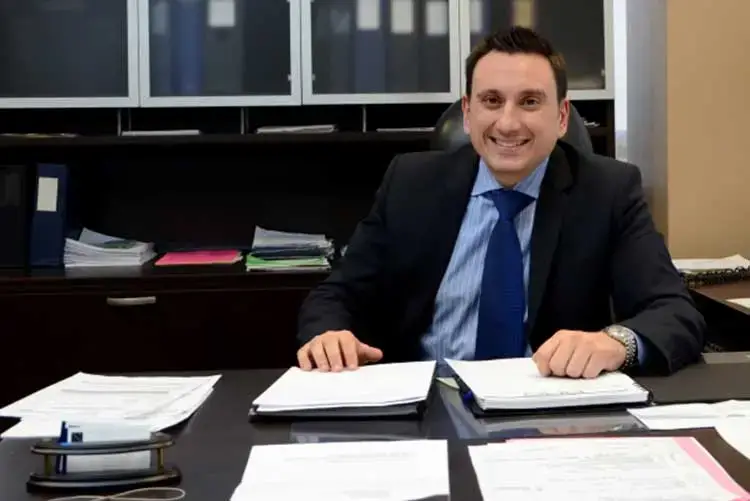
When you call Charitsis Law, you’ll speak directly with Nicholas Charitsis. He’ll answer your questions, explain your legal options, and help you understand the evidence against you.
Call 416-731-7113 today to arrange your confidential case review.
Frequently Asked Questions About Breathalyzer Calibration Issues
Q. Can a breathalyzer charge be dismissed if the device was not calibrated properly?
A. Yes. The Crown Attorney must prove the device was in proper working order. If calibration or maintenance cannot be confirmed, the court may find the demand was not lawful. This can lead to the charge being dismissed.
Q. How often must a breathalyzer be calibrated in Ontario?
A. In many cases, Approved Screening Devices are expected to be calibrated every 14 days. If there is no proof of recent calibration, the reliability of the device may be challenged in court.
Q. What happens if there is no reading on the breathalyzer?
A. This can be a serious issue for the Crown. Without a “Pass,” “Warn,” or “Fail” result, the prosecution may struggle to show that the device was working properly or that the demand was valid.
Q. Can I still be charged if I tried to blow into the machine?
A. Yes, you can still be charged. However, the key issue is whether you intentionally refused. If you made genuine efforts to provide a sample and the device did not work, that may create reasonable doubt.
Q. Do DUI lawyers look at calibration records in every case?
A. Yes. A DUI lawyer will review calibration and maintenance records as part of the defence strategy. These records can reveal problems with the device that may weaken the Crown’s case.
Q. Is a breathalyzer result always accurate and reliable?
A. No. While these devices are commonly used, they must be properly maintained and operated. If there are issues with calibration or handling, the results may not be reliable and can be challenged in court.