Does Intent Matter in a Breath Test Refusal?
As Toronto DUI lawyers we defend both impaired driving charges and allegations of refusing to provide a breath sample.
Refusing to provide a breath sample is a serious criminal charge, often treated the same as impaired driving. However, the Crown Attorney must prove beyond a reasonable doubt that the accused intentionally failed to comply with a lawful demand.
In this case, the accused made repeated attempts to provide a breath sample. The issue was not simply whether a sample was obtained, but whether his failure to provide one was intentional. After reviewing the evidence, the court was left with reasonable doubt and the charge was dismissed.
Where you need to speak with a criminal lawyer call Charitsis Law at 416-731-7113
Facts of the Case
Mr. M was stopped at a RIDE program in the Sheppard and Keele area of Toronto during a late-night impaired driving check.
When asked about alcohol consumption, he responded “not really,” which raised the officer’s suspicion. The officer detected an odour of alcohol coming from the vehicle and made a demand for a roadside breath sample using an Approved Screening Device.
Mr. M was asked to exit his vehicle and walk to the police cruiser. The officer observed that he had no difficulty walking and showed no clear signs of impairment. He was then instructed on how to provide a proper breath sample, including being told to take a deep breath and blow continuously into the device.
What followed was a lengthy interaction. Mr. M attempted to provide a sample multiple times, but each attempt was unsuccessful. The officer believed that Mr. M was stopping too early or restricting airflow. Mr. M repeatedly stated that he was trying his best and asked for additional opportunities to comply.
Over the course of the roadside investigation:
- Mr. M made numerous attempts to provide a breath sample
- he was given repeated instructions and demonstrations
- a new mouthpiece was provided to eliminate equipment concerns
- he explained that he was diabetic and suffered from sleep apnea
Despite these efforts, no breath sample was ever obtained. The officer warned Mr. M several times that failing to provide a proper sample would result in a charge of refusing a breathalyzer test. At one point, the officer stated, “we want you to pass.”
In total, Mr. M was given multiple opportunities to comply. While the officer initially believed there were eleven attempts, the evidence later showed there were actually sixteen attempts.
Throughout the interaction, Mr. M remained cooperative and respectful. There was no evidence of bad driving prior to the stop, and the officer acknowledged that he did not display clear signs of impairment.
Despite this, police believed that Mr. M was deliberately failing to provide a proper sample and charged him with refusing to provide a breath sample.
Issues at Trial
The central issue at trial was whether Mr. M intentionally failed to provide a breath sample, or whether his inability to do so created a reasonable doubt.
The defence conceded that two elements were established:
- a lawful breath demand was made
- a proper sample was not obtained
The key question for the court was whether the Crown Attorney could prove beyond a reasonable doubt that Mr. M intended to refuse.
The court focused on several important issues:
Here you go—same structure, no line breaks:
- Genuine Effort The court examined whether Mr. M’s repeated attempts showed that he was trying to comply. Multiple efforts and statements like “I’m trying my best” supported his position.
- Intent to Refuse A key issue was whether the failure to provide a sample was deliberate. The Crown had to prove that Mr. M intentionally chose not to comply.
- Medical Explanation Mr. M raised health concerns, including diabetes and sleep apnea. The court considered whether these conditions could reasonably affect his ability to provide a proper sample.
- Police Interpretation The officer believed Mr. M was obstructing the process. The court had to decide whether that interpretation was accurate or open to reasonable doubt.
These issues were critical because a refusal charge requires proof of intent. If there is a reasonable doubt about whether the accused was deliberately failing to comply, the charge cannot succeed.
The case ultimately turned on whether Mr. M was trying and unable, or intentionally refusing.
Judge’s Decision
The trial judge found that the Crown Attorney did not prove beyond a reasonable doubt that Mr. M intentionally refused to provide a breath sample.
While it was clear that a lawful demand was made and that no proper sample was obtained, the court focused on whether the failure was deliberate. The evidence showed that Mr. M made repeated attempts to comply, remained cooperative, and stated that he was trying his best.
Although the judge approached Mr. M’s explanation with some skepticism, the court was not satisfied that his conduct amounted to an intentional refusal. The lack of a clear explanation for the failed attempts did not eliminate the possibility that he was unable, rather than unwilling, to comply.
After considering all of the evidence, the court was left with a reasonable doubt as to whether Mr. M’s failure to provide a sample was the result of intentional conduct.
As a result, the accused was found not guilty and the charge was dismissed.
Experienced Criminal Defence
Charitsis Law, Impaired Driving Defence Team
Experience counts in criminal defence. Knowing the court system, the Crown Attorney’s, police, and judges can have a serious impact on how your case proceeds. The reputation and experience of your criminal defence lawyer matters and can influence how your case is handled from the start.
The courts recognize criminal lawyers who prepare thoroughly, challenge the evidence, and present strong and effective defence arguments.
At Charitsis Law, Nicholas Charitsis and his team of DUI lawyers and criminal defence professionals focuses on reviewing the evidence, guiding you through the court process, and building a clear defence strategy tailored to your case.
Call 416-731-7113 to speak with a criminal defence lawyer at Charitsis Law, and lets just have a conversation about what happened and how we can help you.
Our legal team has years of experience helping individuals facing criminal charges across Ontario. We work together to identify weaknesses in the Crown’s case and take the steps needed to have charges withdrawn or dismissed whenever possible.
Serving Clients Across the Greater Toronto Area and Central Ontario
If you are facing a DUI or any drinking and driving charge, Charitsis Law represents clients throughout Southern Ontario. Meet with an experienced criminal defence lawyer at our offices in Brampton, Oshawa, Aurora, Newmarket, or Muskoka, or contact us to discuss your case and the court process.
AUTHOR & CASE LAWYER
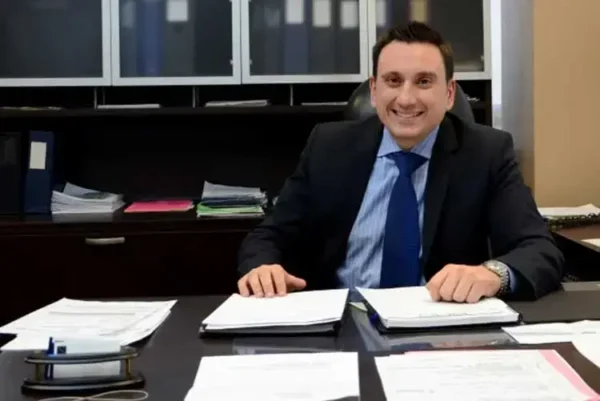
Criminal Defence Lawyer Nicholas Charitsis
Nicholas Charitsis represented the accused in this case. He is a Toronto criminal defence lawyer and former Assistant Crown Attorney who has practised criminal law in Ontario since 2004.
View Nicholas Charitsis’s profile and qualifications ›
Call 416-731-7113 to discuss your case.