
Refuse Breathalyzer Charges
In Ontario and through Canada refusing a breathalyzer test means, failing or refusing to provide a breath sample after a lawful demand has been made by a police officer.
Under the Criminal Code of Canada, where an officer has the legal authority or “grounds” to demand a breathalyzer test, a driver cannot refuse and is legally required to comply.
As DUI lawyers for drinking and driving and refuse breath tests, we know there is usually more to the story than the driver simply refusing the officer’s request. When defending refuse breathalyzer charges we focus on — what happened during the stop and the legal arguments that can be used to challenge the evidence.
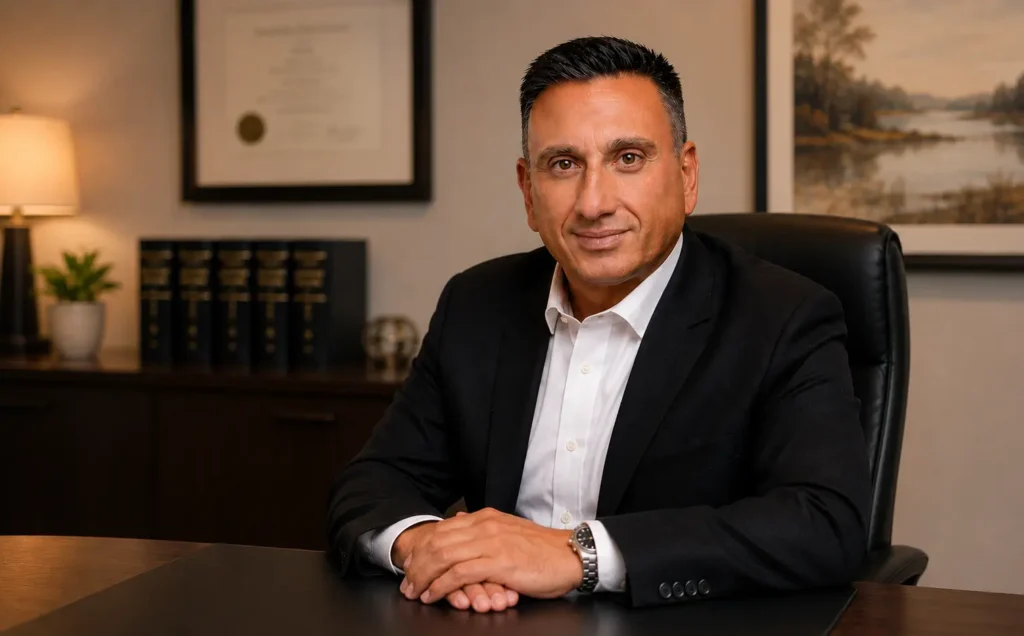
If you’ve been arrested for refusing a breathalyzer test, call and discuss your case directly with Nicholas Charitsis at 416-731-7113.
Penalties for Refusing Breath Tests
Refusing a breathalyzer test has the same penalties as if you provided the breath sample and failed.
A conviction results in a criminal record for life and a mandatory driving prohibition. The driving suspension applies to any type of motor vehicle, operated anywhere in Canada.
- Criminal Record: A conviction for refusing a breathalyzer creates a permanent criminal record. A criminal record affects employment opportunities, professional licensing, immigration matters, and future background checks.
- Driving Prohibition: A first offence carries a mandatory minimum one-year driving prohibition. Repeat offences result in longer prohibitions and can lead to lifetime bans from driving.
- Employment Consequences: Commercial drivers are generally unemployable with a criminal conviction. Professionals such as accountants, lawyers, and financial advisors may be required to report the conviction to their governing bodies.
- Ignition Interlock Requirement: Before driving privileges are restored, participation in Ontario’s ignition interlock program is typically required. The driver must pay for the installation and monitoring of the in-vehicle breath screening device.
- Insurance Impact: Drivers convicted of refusing a breath test are often classified as high-risk drivers. Insurance premiums increase significantly for several years following conviction.
- Travel Restrictions: A criminal driving conviction will affect entry into the United States and other countries. Border restrictions can create long-term complications for business or personal travel.
- Fines: A first offence carries a minimum fine of $1,000. Fines increase for subsequent convictions.
- Jail: Repeat offences carry mandatory jail sentences. More serious circumstances may result in longer custodial terms as determined by the court.
- Mandatory Assessment and Programs: Before licence reinstatement, drivers may be required to complete alcohol education or treatment programs and provide medical documentation where required.
The penalties for refusing a breath test are serious consequences, and for many people, the real question becomes whether they are prepared to live with them — or whether the charge is worth taking a closer look at.
Can You Afford a Criminal Record?
Where a driver pleads guilty to refusing a breathalyzer test, they receive a criminal record for life.
Before you decide how to proceed with your charges, understand what’s at stake and whether the charge can be challenged. In many cases there are legal issues that may not be obvious, that our DUI Lawyers can show you.
The police do not win every case. A review by our DUI lawyers in Toronto can show you the issues we see from a criminal defence point of view. We know the problems that can arise in a case, possible defences, and opportunities to have the charge reduced or withdrawn.
Call our DUI lawyers now — you may have more options than you think.
Some drivers assume that refusing a breathalyzer avoids a DUI conviction, but the penalties are the same. Winning depends on whether the breath demand was lawful, does the evidence support the prosecution’s theory of what happened, and our strong defence strategy.
Financial Cost of a Refuse Breath Test Conviction
| Expense Category | Estimated Cost Range |
|---|---|
| Fine + Surcharges | $1,200 – $2,500 |
| Administrative Penalty | $550 |
| Licence Reinstatement Fees | $280 – $500+ |
| Ignition Interlock (Install) | $1,000 – $1,500 |
| Ignition Interlock (Monthly) | $1,200 – $1,800 (1 year) |
| Back on Track Program | $600 – $1,000 |
| Medical Assessments | $300 – $800 |
| Insurance Increases (5 yrs) | $20,000 – $30,000+ |
| Total Estimated Cost | $25,000 – $40,000+ |
| Total Estimated Cost | $25,000 – $40,000+
Definition of Refusing a Breath Test
The offence of refusing a breath test is found in section 320.15(1) of the Criminal Code of Canada, which states:
“Everyone commits an offence who, knowing that a demand has been made, fails or refuses to comply, without reasonable excuse, with a demand made under section 320.27 or 320.28.”
In simple terms, this means that if a police officer lawfully demands a breath sample and you knowingly refuse or fail to provide one without a reasonable excuse, you can be charged with the criminal offence of failure or refusal to comply with a demand, often referred to as refusing a breath test or refusing a breathalyzer.
Relevant Criminal Code provision:
Failure or Refusal to Comply with Demand — Criminal Code of Canada (s. 320.15)
[View the full section on the Justice Laws Website (Government of Canada)]
What Happens If You Refuse a Breathalyzer?
You can refuse a breath test in Ontario, but doing so will lead to a criminal charge.
If a police officer makes a lawful demand for a breathalyzer test, refusing to provide one is treated much like an impaired driving offence under the Criminal Code.
Many people believe they have a legal right to refuse breath tests. In most cases, that is not correct. If the police have the legal authority to demand a breath test and you refuse to take the test, you can be charged even if there is no evidence that you were actually impaired.
However, not every charge for refusing breath tests results in a conviction. The Crown Attorney must prove beyond a reasonable doubt that:
- The police made a lawful breath demand.
- You understood the demand.
- You intentionally refused or failed to provide a proper breath sample.
- There was no lawful excuse for refusing.
A refusal charge can sometimes be challenged. For example, the police may not have had legal grounds to demand a breath sample, may have failed to clearly explain the demand, or there may have been a genuine medical reason why you could not provide a sample.
Refusal breath test cases involve complex legal issues that can significantly affect the outcome of the case.
Proving Refuse Breath Test Charges
What the Crown Attorney Needs to Prove to Convict a Driver of Refusing a Breathalyzer
In a refuse breath test case, the Crown Attorney cannot simply point to the fact that a driver did not provide a breath sample. The prosecutor must prove every legal element beyond a reasonable doubt before a conviction can result.
To secure a conviction for refusing a breathalyzer test, the Crown must prove:
- The officer had lawful authority to make the breath demand – Police must have proper legal grounds under the Criminal Code before requiring a breath sample. The demand itself may be challenged. Without lawful authority, the charge cannot stand.
- The breath demand was made clearly & properly communicated. – The wording and timing of the demand matter. The driver must be clearly informed of what is required. An improper or confusing demand can create legal issues.
- The accused understood the demand. The Crown must show that the driver understood what was being asked by the police officer. That the accused understood what the obligation was and the consequences of not providing the sample of breath. Language barriers, confusion, or miscommunication can become important.
- The Device – The prosecution must show that the device used was a breathalyzer authorized in law, that it was checked, and was working properly. The Crown may need to show the device was functioning properly and that clear instructions were provided to the accused.
- The accused was given a reasonable opportunity to comply. A person must be given a real opportunity to provide a breath sample. If instructions were unclear or time was not properly provided, this can affect the analysis. The accused was given numerous opportunities to do the test properly.
- The refusal occurred without lawful excuse. The law requires that the refusal be “without reasonable excuse.” Medical conditions, communication problems, or other factual issues may become relevant. There were no medical reasons the driver was unable to do the test.
If the Crown fails to prove even one of these elements, you cannot be convicted of refusing. These cases are often technical and fact-specific, which is why careful review of disclosure is critical before making decisions about how to proceed.
Fighting Refuse Breathalyzer Charges
A refusal charge is not automatic proof of guilt. Like every other criminal charge, the Crown Attorney must prove the case beyond a reasonable doubt, and refusal cases often turn on technical details and procedural accuracy.
Common legal defences can include:
- Unlawful Breath Demand
If police did not have proper legal grounds to require a breath sample, the demand may be invalid. Without lawful authority, the refusal charge cannot succeed. - Improper or Defective Demand
The Criminal Code requires the breathalyzer demand to be made clearly and properly. If the wording was incorrect or the instructions were confusing, the legality of the charge may be challenged. - No Clear Refusal
Not every failed attempt amounts to a refusal. The Crown must prove that the accused intentionally failed or refused to comply, not simply that there were difficulties providing a sample. - Intent & Did the Driver Understand the Requirement
Intent can be an important issue in a criminal charge of refusing a breathalyzer test in Canada. The Crown must prove that the driver knew a lawful breath demand had been made and intentionally failed or refused to comply without a reasonable excuse. - Medical or Physical Issues
Certain medical conditions may affect a person’s ability to provide a proper breath sample. In limited circumstances, this can raise the issue of whether there was a “reasonable excuse.” - Charter Violations
Violations of the right to counsel or other Charter protections, like taking too long to come to trial (11B Application) can impact the admissibility of evidence. If rights were not respected, it may weaken the prosecution’s case.
Refusal cases are highly fact-driven. What may look straightforward on the surface can become complicated once officer notes, body camera footage, and testing records are reviewed carefully.
Serving Clients Across the Greater Toronto Area and Central Ontario
If you are facing a DUI or any drinking and driving charge, Charitsis Law represents clients throughout Southern Ontario. Meet with an experienced criminal defence lawyer at our offices in Brampton, Oshawa, Aurora, Newmarket, or Muskoka, or contact us to discuss your case and the court process.
Speak With a Lawyer About Refusing a Breathalyzer
Being charged with refusing a breathalyzer does not automatically mean you will be convicted.
The outcome depends on whether the police had lawful authority to make the demand and whether the Crown can prove the refusal occurred without reasonable excuse.
Possible outcomes in a refusal case may include:
- Charge Withdrawn
If the breath demand was not made properly or the officer lacked legal grounds, the prosecution may not be able to proceed. - Resolution to a Lesser Outcome
In some cases, strategic discussions may lead to a reduced result that avoids the most serious long-term consequences. - Charter-Based Dismissal
If your right to counsel or other Charter protections were violated, key evidence may be excluded, which can significantly weaken the case. - Trial and Acquittal
If the Crown cannot prove every required element beyond a reasonable doubt, the court must find you not guilty.
The goal in any refusal case is to avoid a criminal record and protect your ability to drive wherever legally possible. Early review by an experienced DUI lawyer can identify weaknesses in the demand, the timing, and the procedure that may affect the outcome.
Helping Drivers Across Toronto & the GTA
If you are facing a refuse charge or any drinking and driving offence, Charitsis Law represents clients throughout Southern Ontario. Meet with an experienced criminal defence lawyer at our offices in Brampton, Oshawa, Aurora, Newmarket, or Muskoka, or call and let’s discuss your case and the court process.
Speak With Nicholas Charitsis Today
You’ll speak directly with Nicholas Charitsis—not a call centre or an intake representative.
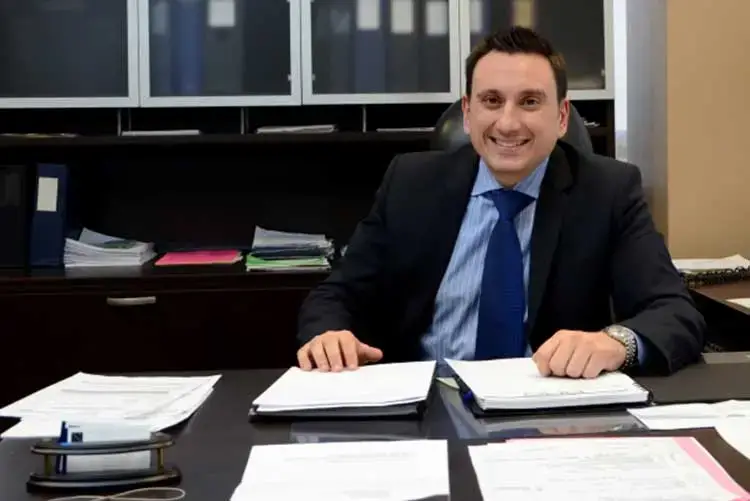
When you call Charitsis Law, you’ll speak directly with Nicholas Charitsis. He’ll answer your questions, explain your legal options, and help you understand the evidence against you.
Call 416-731-7113 today to arrange your confidential case review.
FAQs about Refusing Breathalyzer Test
Q. Is refusing a breathalyzer in Ontario a criminal offence?
Yes. Refusing a breathalyzer after a lawful demand is a Criminal Code offence in Canada. It is commonly called “failure or refusal to comply,” and it is treated as seriously as an impaired driving charge.
A conviction results in a criminal record and a mandatory driving prohibition. Because the penalties mirror those of impaired driving, speaking with a DUI lawyer early is critical.
Q. Are the penalties for refusing a breathalyzer the same as impaired driving?
In most situations, yes. The Criminal Code sentences refusal offences under the same framework as Over 80 and impaired driving charges.
A conviction can result in a criminal record, significant fines, and a minimum one-year driving prohibition for a first offence. An experienced impaired driving lawyer can review whether the demand was lawful and whether the evidence supports a conviction.
Q. What counts as “refusing” a breathalyzer test?
Refusing does not always mean clearly saying “no.” It can include failing to provide an adequate sample, delaying without lawful excuse, or not following instructions during the testing process.
These cases often turn on small factual details. A DUI lawyer will carefully examine officer notes, body camera footage, and the wording of the demand to determine whether a true refusal occurred.
Q. Can I refuse a breathalyzer test in Ontario?
You cannot be physically forced to provide a sample. However, if police have lawful grounds and make a proper demand, the law requires compliance.
Refusing after a lawful demand can result in a criminal charge. An impaired driving lawyer can assess whether the demand itself was legally valid.
Q. Can a refusal charge be beaten in court?
Yes, depending on the evidence. The Crown must prove that the officer had proper legal grounds, that the demand was made correctly, and that the refusal occurred without reasonable excuse.
If any required element is not proven beyond a reasonable doubt, the court cannot convict. A skilled DUI lawyer will analyze the timing, wording, and procedure involved in the breath demand to identify potential weaknesses.
Q. What should I do if I am charged with refusing a breathalyzer?
Act quickly. Write down what happened while it is fresh in your memory and keep all paperwork provided by police.
Most importantly, speak with an experienced DUI lawyer as soon as possible. Early legal review can help protect your record and your driving privileges.