Credibility in Impaired Driving Defence
Canadian Criminal Case Law Summary
When someone faces an DUI driving charge, the court must assess the evidence behind it. In R. v. Palacios, 2026 ONCJ 564, the driver faced impaired driving and drive over 80 charges after a traffic stop in Brampton. The officer’s account of what happened became central to the case.
A judge can believe parts of a witness’s account and question others. If problems with credibility or reliability leave a reasonable doubt about impairment, the Crown has not proven that charge.
In this case, the judge rejected key parts of the officer’s evidence and found that the remaining evidence did not prove impaired driving. I
Call Nicholas Charitsis to review what police did and discuss possible defences to your impaired driving charge. Nicholas is a former Crown Attorney with 25 years of criminal law experience in Toronto. Charitsis Law has more than 350 five-star Google reviews.

If you’ve been arrested for a DUI charge, call and discuss your case directly with Nicholas Charitsis at 416-731-7113.
What Happened in R. v. Palacios?
On a December night in 2023, Mr. Palacios was driving along Bovaird Drive in Brampton. A Peel police officer followed his car through an intersection and pulled him over. The officer said Mr. Palacios should have stopped for an amber light.
The officer was working on a drinking and driving patrol. He suspected that Mr. Palacios might be impaired by alcohol. At the roadside, however, he spoke about the amber light. He did not tell Mr. Palacios that he had also stopped him for a sobriety check.
The officer asked where Mr. Palacios was coming from. Mr. Palacios mentioned a party. The officer then watched him produce his driver’s licence. He later described this as a way to assess whether Mr. Palacios could do more than one thing at a time. He did not give Mr. Palacios a roadside breath test.
Next, the officer directed Mr. Palacios out of his car and had him walk near the roadway median. The officer later said that Mr. Palacios stumbled, swayed, and nearly lost his balance. He treated those movements as signs of impairment and arrested Mr. Palacios for impaired driving.
The officer demanded breath samples for testing at the police station. Mr. Palacios provided two samples, and the results showed a blood alcohol level over the legal limit. He was charged with impaired driving and over 80.
Those charges led the court to examine the entire drinking and driving investigation. The judge reviewed what the officer said, what the body-worn camera recorded, and whether the officer had grounds for the arrest and breath demand.
Relevant Case Law:
R. v. McIntyre — Ontario Court of Appeal (2019 ONCA)
[View the full decision on CanLII (Canadian Legal Information Institute)]
What the Judge Said About the Officer’s Evidence
At trial, the judge compared the officer’s testimony with body-worn camera footage and the other evidence. Several parts of the officer’s account did not hold up:
- The amber light: The judge found the officer’s estimates of distance and timing implausible. He rejected the claim that Mr. Palacios had “run an amber.”
- Mr. Palacios’s movements: The video did not support the officer’s claims that Mr. Palacios stumbled, swayed, or nearly fell.
- Signs of impairment: The judge found that the officer had described ordinary behaviour as evidence of impairment.
How Did Those Findings Affect the Charges?
The judge found serious problems with the officer’s credibility and reliability.
He rejected the officer’s evidence that he honestly believed he had grounds to arrest Mr. Palacios. The court also found that Mr. Palacios had not been properly told why he was stopped and arrested. During the discussion about speaking with a lawyer, the officer repeatedly interrupted the Spanish interpreter and directed Mr. Palacios toward duty counsel.
The judge found multiple Charter breaches and excluded the breath test results. Without those results, the Crown could not prove the over 80 charge. The remaining evidence also did not prove impaired driving. Mr. Palacios was found not guilty of both charges.
The Legal Issue Before the Court
An impaired driving case can turn on more than the breath test result. In R. v. Palacios, the judge had to assess the officer’s account of the traffic stop, his observations of the driver, and the steps he took before demanding breath samples.
Were There Grounds for the Arrest and Breath Demand?
The officer said he believed Mr. Palacios’s ability to drive was impaired by alcohol. The court had to decide whether he honestly held that belief and whether the evidence supported it. His testimony mattered because it formed the basis for both the impaired driving arrest and the demand for breath samples at the police station.
The judge examined several questions:
- Did the officer accurately describe what happened at the amber light?
- Did his account of Mr. Palacios’s behaviour match the body-worn camera footage?
- Did he have grounds to arrest Mr. Palacios for impaired driving?
- Did he have grounds to demand breath samples for the over 80 investigation?
Did Police Breach Mr. Palacios’s Charter Rights?
The defence also challenged how the officer handled the stop and arrest. The judge considered whether Mr. Palacios was told the real reason he had been stopped, whether the arrest and breath demand were lawful, and whether he had a fair chance to speak with a lawyer of his choice.
These questions affected the two drinking and driving charges differently. For the impaired driving charge, the Crown still had to prove that alcohol affected Mr. Palacios’s ability to drive. For the over 80 charge, the breath readings were critical.
The court had to decide whether the Charter breaches were serious enough to exclude those results from evidence.
What the Court Confirmed
The decision shows how closely a judge may examine the evidence behind impaired driving and DUI charges. The officer’s testimony was central, but the court did not accept it simply because he had made the arrest.
- Credibility and reliability are different. The judge considered whether the officer was sincere and whether his account was accurate. He compared the testimony with the body-worn camera footage and the other evidence.
- Grounds for arrest must be genuine and supported by evidence. The judge rejected the officer’s claim that he honestly believed he had grounds to arrest Mr. Palacios for impaired driving. That finding also affected the breath demand.
- Police must explain why a person is detained or arrested and respect the right to counsel. The court found Charter breaches in how those steps were handled, including the officer’s response to Mr. Palacios’s questions about speaking with a lawyer.
- A Charter breach does not automatically exclude breath test results. The judge considered the seriousness and impact of the breaches before excluding the readings in this case.
The two charges then had different outcomes for different reasons. The remaining evidence did not prove that Mr. Palacios’s ability to drive was impaired.
Without the excluded breath readings, the Crown could not prove the over 80 charge. He was found not guilty of both.
Why R. v. Palacios Matters
An impaired driving charge often depends on what an officer says they saw before the arrest. R. v. Palacios shows why those observations should be tested against body-worn camera footage, police notes, and the rest of the evidence.
Cross-examination in Witness Evidence
The judge found that the video did not support several important parts of the officer’s testimony. That credibility finding affected the grounds for the arrest and breath demand. It also left the Crown without enough reliable evidence to prove that Mr. Palacios’s ability to drive was impaired.
The case shows how we as defence lawyers review the entire sequence of a drinking and driving investigation. What the officer said at the roadside, what the video shows, how the breath demand was made, and how the right to counsel was handled may all affect the case.
How R. v. Palacios Can Affect Your Defence Strategy
R. v. Palacios does not mean a problem with an officer’s testimony will defeat every impaired driving charge. It shows why your defence lawyer should test each important part of the police account against the available evidence.
A review may focus on:
- The reason for the stop: What did the officer say at the roadside, and does it match the reason recorded in the police notes?
- The signs of impairment: Do the officer’s descriptions of your driving, speech, and movements match any body-worn camera or dashcam footage?
- The arrest and breath demand: What did the officer know at each stage, and did that information support the steps taken?
- Your Charter rights: Were you told why you were detained and arrested? Were you given a fair opportunity to speak with a lawyer?
At Charitsis Law we use those findings to decide which parts of the Crown’s evidence to challenge. In some cases, credibility problems may leave a reasonable doubt about impairment. A Charter breach may also lead the court to exclude breath test results, but that remedy depends on the facts and the judge’s assessment of the breach.
Speak With Nicholas Charitsis Today
You’ll speak directly with Nicholas Charitsis—not a call centre or an intake representative.
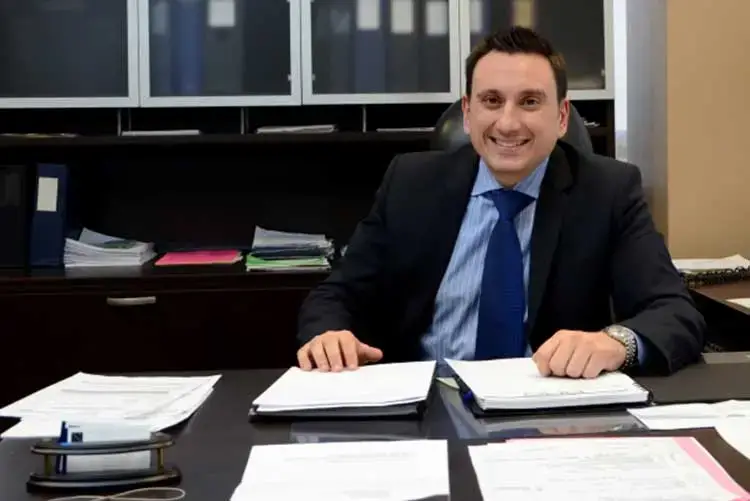
When you call Charitsis Law, you’ll speak directly with impaired driving lawyer Nicholas Charitsis. He’ll answer your questions, explain your legal options, and help you understand the evidence against you.
Call 416-731-7113 today to arrange your confidential case review.
FAQs about Credibility in DUI Defence
Q. Can police credibility affect an impaired driving charge?
A. Yes. The judge must assess whether important testimony is credible and reliable. In R. v. Palacios, the judge rejected key parts of the officer’s evidence. The remaining evidence did not prove that alcohol had impaired the driver’s ability to operate his vehicle.
Q. Can body-worn camera footage help fight a DUI charge?
A. Yes. Video can help a defence lawyer check whether the officer’s account matches what happened. In Palacios, the judge found that the footage did not support several claimed signs of impairment, including stumbling, swaying, and nearly falling.
Q. What happens if the officer’s evidence leaves a reasonable doubt about impairment?
A. The Crown must prove the impaired driving charge beyond a reasonable doubt. If the judge finds that the reliable evidence does not establish impairment, the accused must be found not guilty of that charge. This is what happened with the impaired driving charge in Palacios.
Q. Can breath test results be excluded from an over 80 case?
A. They can be excluded if the court finds a Charter breach and decides that admitting the results would bring the administration of justice into disrepute. Exclusion is not automatic. In Palacios, the judge excluded the breath readings after considering several serious, connected breaches.
Q. Does asking to speak with a family member affect my right to a lawyer after a DUI arrest?
A. The answer depends on what you said and how police responded. In Palacios, the driver asked to call his wife while discussing his right to counsel. The judge found that the officer should not have treated duty counsel as his only option. A defence lawyer can review the recording and the full conversation.