Right to Speak to a Lawyer
Canadian Criminal Case Law Summary
If you have been charged with impaired driving, you may wonder whether police should have let you call a lawyer at the roadside.
The Supreme Court considered police questions about drinking and a request to perform roadside sobriety tests. It held that these screening steps could take place before the drivers spoke with counsel. That ruling does not give police unlimited time to delay a call to a lawyer.
What happened after screening, including when police made an arrest and allowed access to counsel, matters in impaired driving defence.
Charitsis Law is led by former Crown Attorney Nicholas Charitsis. With over 350 five-star Google reviews from satisfied clients Charitsis Law is Toronto’s best reviewed team of criminal defence lawyers. Nick’s his experience as both a former prosecutor and 25 years as a criminal defence lawyer gives him valuable insight into how the Crown builds an impaired driving cases and a history of successful results.
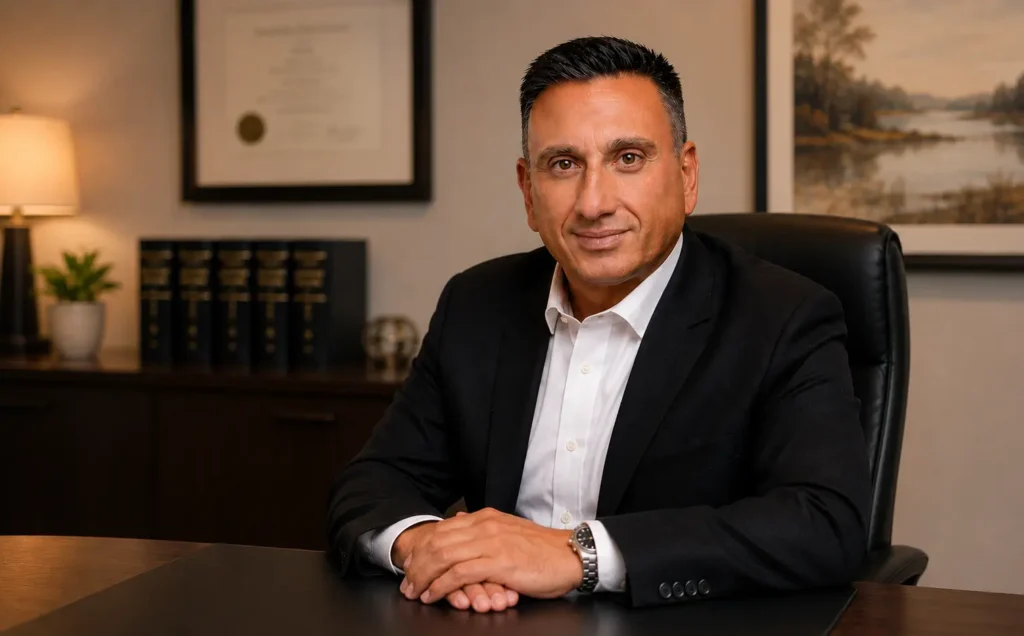
If you’ve been arrested for impaired driving, call and discuss your case directly with Nicholas Charitsis at 416-731-7113.
What Happened in R. v. Orbanski?
At about 3:21 a.m., RCMP officers saw Christopher Orbanski drive through a stop sign without stopping. He then made a wide left turn and swerved back and forth on the road. The officers turned on their emergency lights and pulled him over.
Orbanski was alone in the car. When an officer approached, he smelled alcohol on Orbanski’s breath and noticed that his eyes were glassy. The officer asked whether he had been drinking. Orbanski said he had consumed one beer that night.
The officer then asked Orbanski to get out of the car and perform roadside sobriety tests.
The officer told Orbanski the tests were voluntary, said he could call a lawyer first, and offered him a cell phone. However, the officer did not tell him that free legal advice was available. Orbanski chose to take the tests without making a call.
The tests included reciting the alphabet, walking heel to toe while counting, and following the officer’s moving finger with his eyes. Orbanski could not complete them successfully. The officer arrested him for impaired driving and took him to the RCMP station.
At the station, police fully advised Orbanski of his right to a lawyer. He spoke with counsel before providing breath samples. The readings were over the legal limit, and he faced both an impaired driving charge and a driving over 80 charge.
The Legal Issue Before the Court
A driver stopped by police is detained under the Canadian Charter of Rights and Freedoms. That means the right to speak to a lawyer is engaged.
In R. v. Orbanski, the question was whether police could briefly delay that conversation while checking for signs of impaired driving at the roadside.
The case was heard with R. v. Elias, another DUI driving appeal. Police had asked both drivers whether they had been drinking. In Orbanski’s case, an officer also asked him to perform physical sobriety tests. Neither driver had been fully advised of his right to counsel before these screening steps took place.
Relevant Case Law:
R. v. Orbanski; R. v. Elias — Supreme Court of Canada (2005 SCC 37)
[View the full decision on CanLII (Canadian Legal Information Institute)]
Can Police Delay a Lawyer Call During a DUI Stop?
The Supreme Court examined whether the need for immediate roadside screening justified a limited delay in access to a lawyer. It considered:
- The traffic stop: Both drivers were detained when police pulled them over, so their right to counsel was engaged.
- The roadside investigation: Police asked about drinking and, in Orbanski’s case, used physical sobriety tests to assess possible impairment.
- The length and purpose of the delay: The Court had to decide whether access to counsel could wait while officers completed those screening steps.
- The use of the evidence: The Court considered how roadside answers and test results could be used to support later police steps, including an arrest and a breath demand.
For someone facing impaired driving charges, the timeline matters. A defence lawyer can review what police did at the roadside, when screening ended, and when the driver had a meaningful chance to speak with counsel.
Rights of Drivers are Detained During Roadside Stops
The Supreme Court confirmed that drivers are detained during roadside stops and therefore have Charter rights. However, the Court created a narrow and limited exception for roadside breath testing.
The Court held that:
- Police may demand a roadside breath sample immediately — They do not have to wait for a lawyer call first.
- The right to counsel is only temporarily delayed — It is not removed or cancelled.
- After arrest, access to a lawyer must be provided without delay — Police must clearly inform the driver of this right.
- The exception is tied to speed and safety — It only applies because roadside screening must happen quickly.
- This ruling makes it clear that the roadside stage and the post-arrest stage are legally different.
Why This Case Matters in Refusing a Roadside Breathalyzer Charges
A refusal charge depends on whether the breath demand was lawful. If the police did not follow the proper steps, the refusal allegation may be challenged in court.
In real Ontario refusal cases, problems may include:
- Police continuing to question after arrest without offering a lawyer — This can violate Charter rights.
- Delays in providing access to counsel after arrest — The delay must end once the roadside stage is over.
- Confusion about when detention became arrest — Timing matters legally.
- Improper explanation of rights — Drivers must clearly understand their rights after arrest.
- Mixing roadside screening with investigative questioning — The limited exception cannot be stretched.
- Orbanski and Elias give courts the framework to review whether those steps were done properly.
How This Case Shapes Defence Strategy
This case requires careful review of the exact timeline during a traffic stop. In refusing a roadside breathalyzer cases, the sequence of events can determine whether the charge stands.
A defence strategy may include:
- Reviewing police notes and body-camera footage — Timing must match what officers claim.
- Determining the exact moment of detention and arrest — Rights attach at specific points.
- Examining whether access to counsel was delayed improperly — The exception has limits.
- Assessing whether questioning continued without proper rights — That may raise Charter concerns.
- Raising a Charter application if rights were breached — Courts can exclude evidence in serious cases.
In many refusal cases, the strongest defence arguments focus on procedure rather than just the refusal itself.
What This Case Means for You
If you are facing refusing a roadside breathalyzer charges in Ontario, the timing of your detention, demand, and access to a lawyer all matter. The Crown must prove that the roadside demand was lawful and that your Charter rights were respected after arrest.
Call 416-731-7113 now to speak directly with a criminal defence lawyer and get immediate guidance about your situation.
Speak With Nicholas Charitsis Today
You’ll speak directly with Nicholas Charitsis—not a call centre or an intake representative.
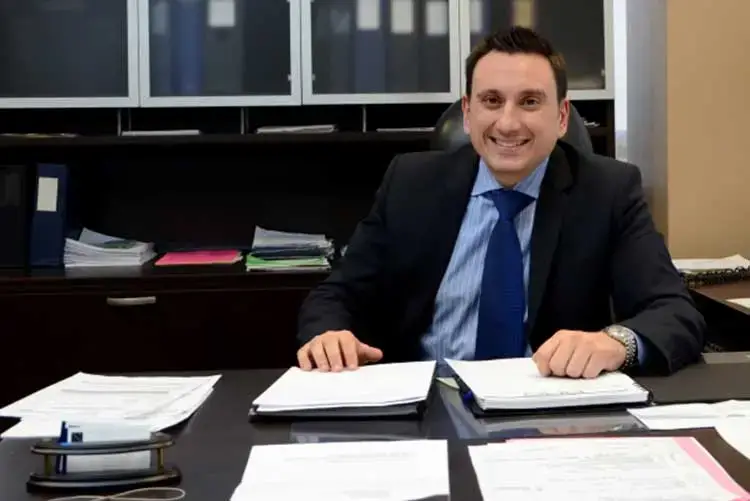
When you call Charitsis Law, you’ll speak directly with impaired driving lawyer Nicholas Charitsis. He’ll answer your questions, explain your legal options, and help you understand the evidence against you.
Call 416-731-7113 today to arrange your confidential case review.
Frequently Asked Questions
Q. What did R. v. Orbanski and R. v. Elias decide?
A. The Supreme Court decided that drivers are detained during roadside stops and therefore have Charter rights. However, police can briefly delay access to a lawyer to conduct immediate roadside breath testing. After arrest, full access to counsel must be given without delay.
Q. Can I call a lawyer before giving a roadside breath sample?
A. No. Police are allowed to conduct roadside screening before allowing a lawyer call. That delay is limited to the roadside stage only.
Q. Can a refusal charge be challenged based on Charter rights?
A. Yes. If police delayed access to counsel improperly or failed to follow the proper steps after arrest, Charter arguments may arise. Courts carefully review timing and procedure.
Q. When does the right to counsel fully apply?
A. It applies immediately upon detention. However, roadside breath screening allows a short delay. After arrest, access to a lawyer must be provided without delay.
Q. Why should I speak to a criminal defence lawyer quickly?
A. Refusing a roadside breathalyzer carries serious penalties, including driving prohibitions and possible jail. Early legal review allows your lawyer to analyze whether police followed the law during the stop.